

Be Better Be You
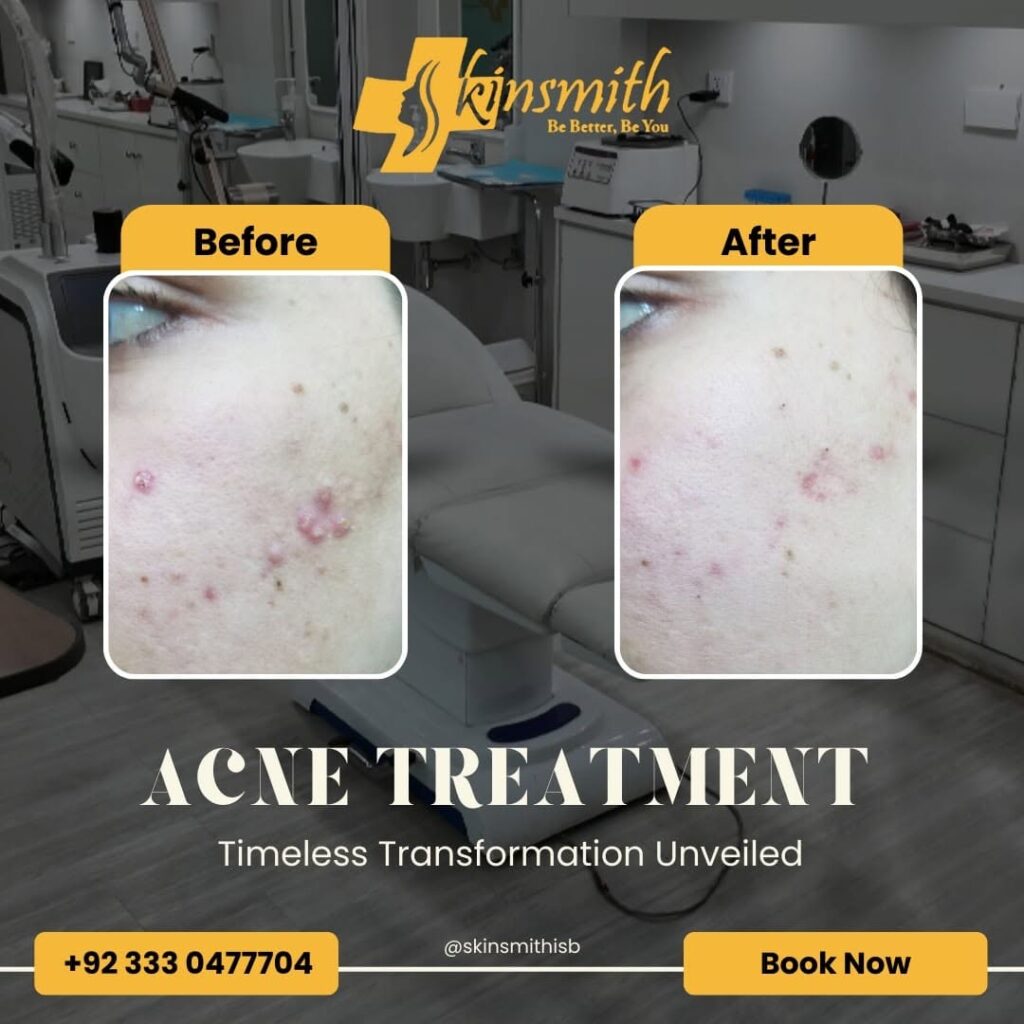
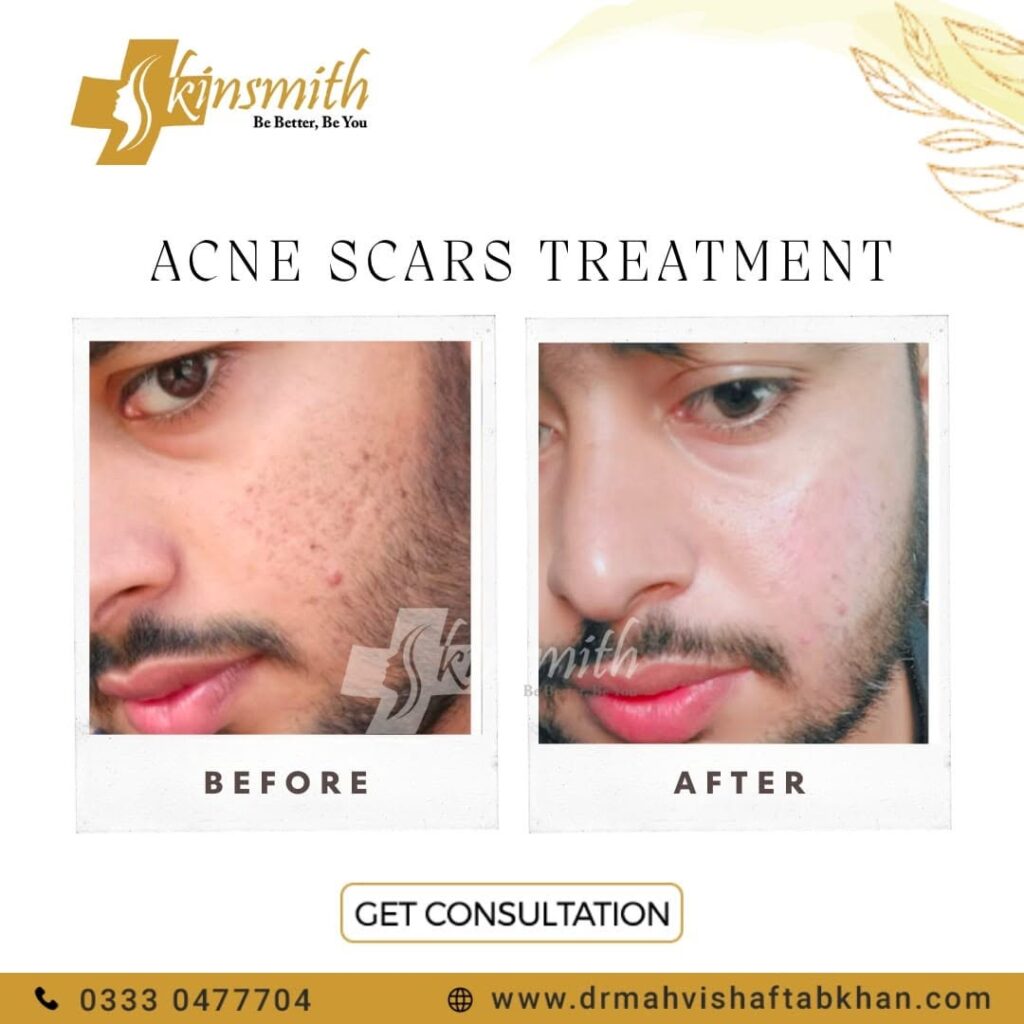
Acne is a very common skin disorder. It affects people of all genders and age groups. Acne can be painful, distressing, and embarrassing. Severe acne can leave scarring and marks behind. Acne scar treatment and acne marks treatment is a challenging process. We at, Skin Smith are providing the best acne scar treatment in Islamabad.
Struggling with acne scars, uneven skin texture, or stubborn marks left behind by breakouts? At SkinSmith by Dr. Mahvish Aftab Khan, we offer personalized skin assessment and acne scar treatment options designed to improve skin texture, soften the appearance of scars, and support smoother-looking skin.
Acne scars can develop when inflamed acne damages the skin and affects its natural healing process. Depending on the type and severity of your scars, treatment may involve acne scar laser treatment, microneedling, radiofrequency microneedling, chemical peels, or other dermatologist-recommended procedures.
If you are looking for acne scar treatment in Islamabad or Rawalpindi, choosing the right approach starts with understanding your skin. Different acne scars respond to different treatments, which is why a personalized treatment plan is essential.
At SkinSmith by Dr. Mahvish Aftab Khan, our goal is to help you explore suitable options for your skin concerns and make informed decisions about your treatment.
Book your acne scar consultation today and take the first step toward smoother, healthier-looking skin.
Acne scars are changes in the skin’s texture or structure that remain after acne lesions heal. They can develop when inflammation damages collagen and other supporting structures in the skin.
Some acne scars appear as indentations or depressions, while others form raised areas of tissue. Acne can also leave behind dark spots or red marks that resemble scars but are actually post-inflammatory pigmentation or redness.
Understanding the difference is important because acne scars treatment and treatment for post-acne marks may require different approaches.
Atrophic acne scars are among the most common types of textural acne scars. They develop when the skin loses collagen during the healing process, creating depressions or uneven areas. Raised scars develop when excess scar tissue forms.
A professional assessment can help determine the type of acne scars you have and identify suitable treatment options.
Acne can have many causes. Hormonal changes in the teenage years and early adulthood are one of the major reasons. Adults can have acne for multiple reasons. Exposure to UV rays, clogged pores, oil, and dirt are common reasons. About 1 in 5 adult women experience acne for these reasons.
Acne scars develop when inflammation associated with acne interferes with the skin’s normal healing process. The severity of scarring depends on several factors, including the depth and duration of inflammation and individual healing characteristics.
Common contributing factors include:
Early management of active acne can help reduce the risk of additional scarring. If you have both active breakouts and established acne scars, your treatment plan may need to address both concerns.
The treatment of acne scars depends on these factors from best dermatologist in Islamabad.
Mild scarring can be treated with gels, creams. it is a long process. Severe scars require procedures by a professional. The results are better and quicker. We offer the best acne scar treatments in Islamabad. The treatments are:
Medication plays a major role in treating acne. Active acne is treated in the first step. Oral medication helps in getting rid of acne from the root. The duration of this treatment varies from person to person. Gels and creams help in treating acne scars and marks. The expert customizes the combination according to the patient’s needs. Medications, alone cannot treat acne scarring. Different acne scar treatments are designed to treat multiple skin issues.
Identifying the types of acne scars is one of the most important steps in choosing an appropriate treatment. Different scars vary in depth, shape, and response to procedures.
Atrophic acne scars are depressed scars caused by a loss of supporting tissue beneath the skin. They may create an uneven, pitted, or sunken appearance.
Atrophic scars are generally divided into ice pick, boxcar, and rolling scars.
Atrophic acne scar treatment may involve microneedling, fractional laser procedures, radiofrequency microneedling, chemical peels for selected superficial scars, subcision, or a combination of techniques.
The best approach depends on scar depth, skin type, and the presence of tethered or fibrous tissue beneath the skin.
Ice pick scars are narrow, deep indentations that extend into the skin. They often appear as small but noticeable pits and can be difficult to treat with surface-level procedures alone.
Ice pick acne scars treatment may involve targeted procedures such as TCA CROSS, selected punch techniques, or combination treatment planned by an experienced dermatologist.
Treatment is individualized because deep, narrow scars may respond differently from broader depressions.
If you are looking for ice pick scars treatment in Islamabad, a clinical assessment can help determine whether a targeted procedure or combination approach is appropriate.
Boxcar acne scars are broad depressions with relatively defined edges. They can be shallow or deep and may appear on the cheeks, temples, and other areas affected by inflammatory acne.
Boxcar scars treatment may include fractional laser resurfacing, microneedling, radiofrequency microneedling, subcision for selected tethered scars, or punch techniques for certain deep scars.
The treatment plan depends on the depth and shape of the scars, skin tone, and tolerance for downtime.
Rolling acne scars create a wavy or undulating appearance across the skin. They often result from fibrous bands that pull the skin downward, creating depressions that become more visible under certain lighting conditions.
Rolling scars treatment frequently focuses on releasing these underlying attachments when present. Subcision may be recommended, sometimes alongside microneedling, fractional laser treatment, or other procedures.
Rolling scars on the face may require a combination approach rather than a single treatment because both the skin surface and underlying tissue can contribute to their appearance.
Hypertrophic acne scars develop when excess scar tissue forms, producing raised areas that generally remain within the boundaries of the original acne lesion. Keloid scars can grow beyond those boundaries.
Raised acne scar treatment differs from treatment for depressed scars. Depending on the scar type, options may include corticosteroid injections, selected laser treatments, silicone-based products, or other specialist-directed therapies.
Hypertrophic acne scars and keloids should be assessed carefully because some procedures used for depressed scars may worsen raised scarring.
If you are concerned about acne scar keloid treatment, seek an assessment from a qualified dermatologist experienced in managing raised scars.
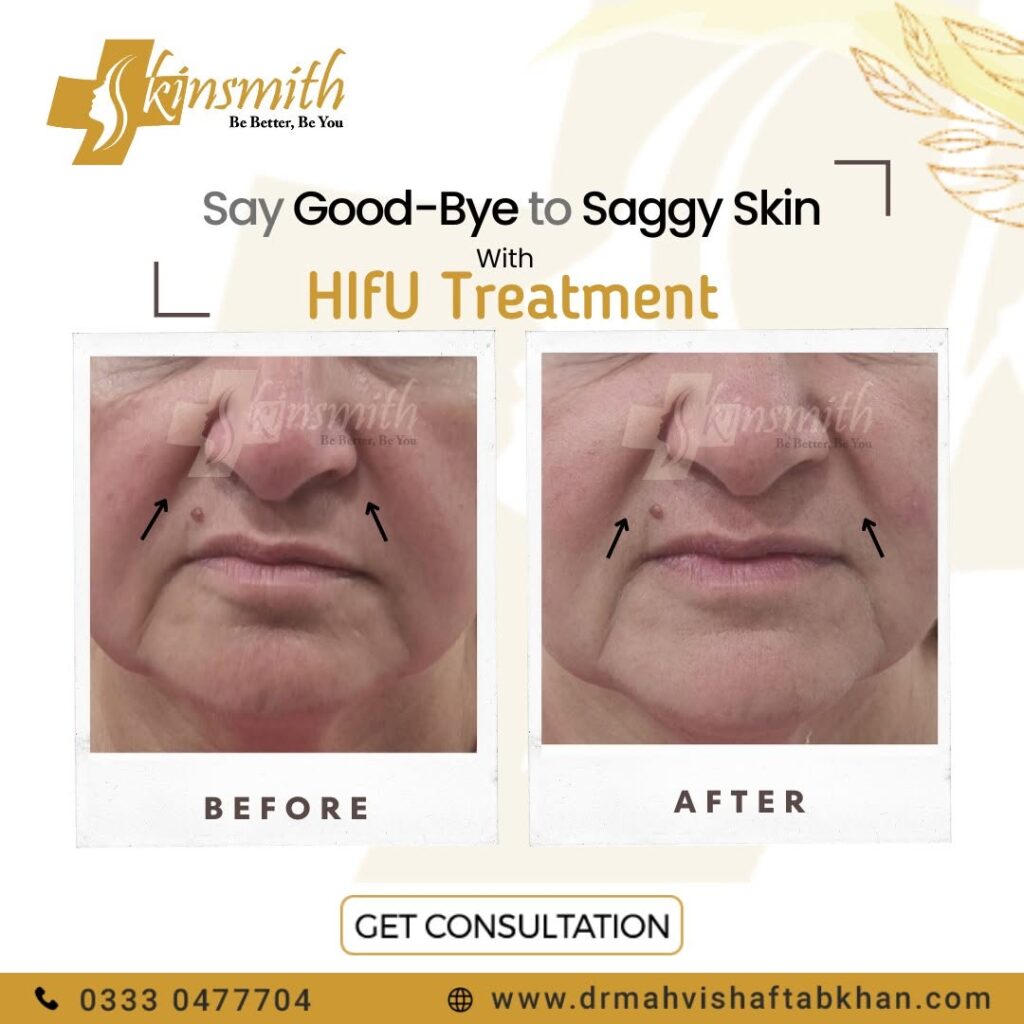
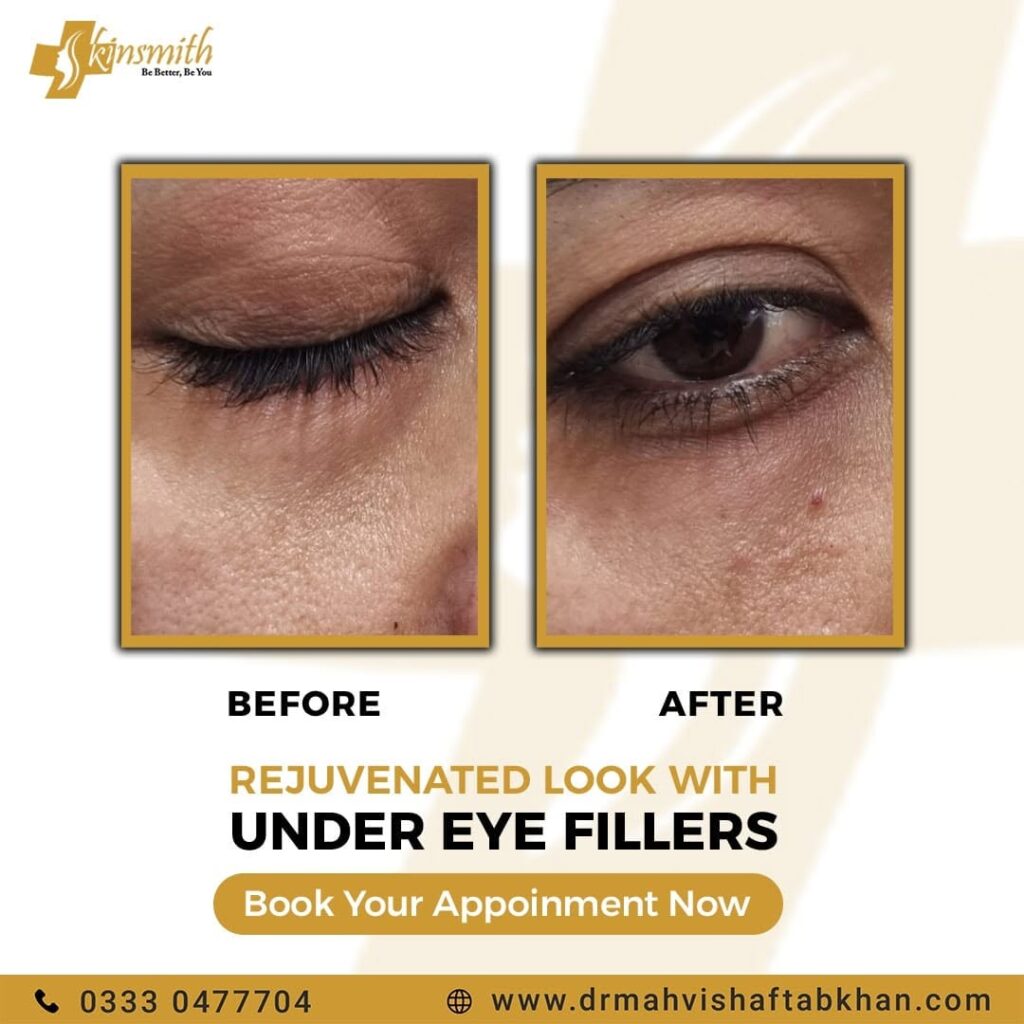
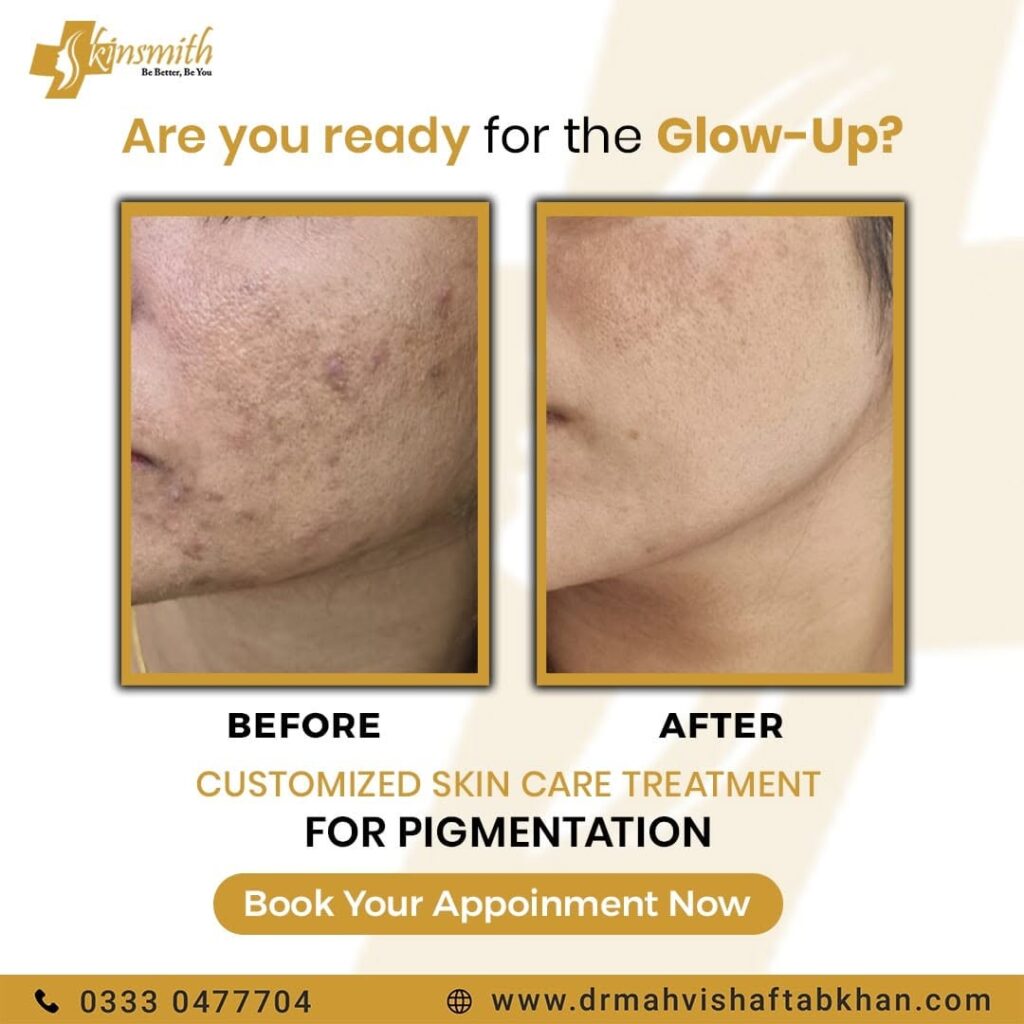
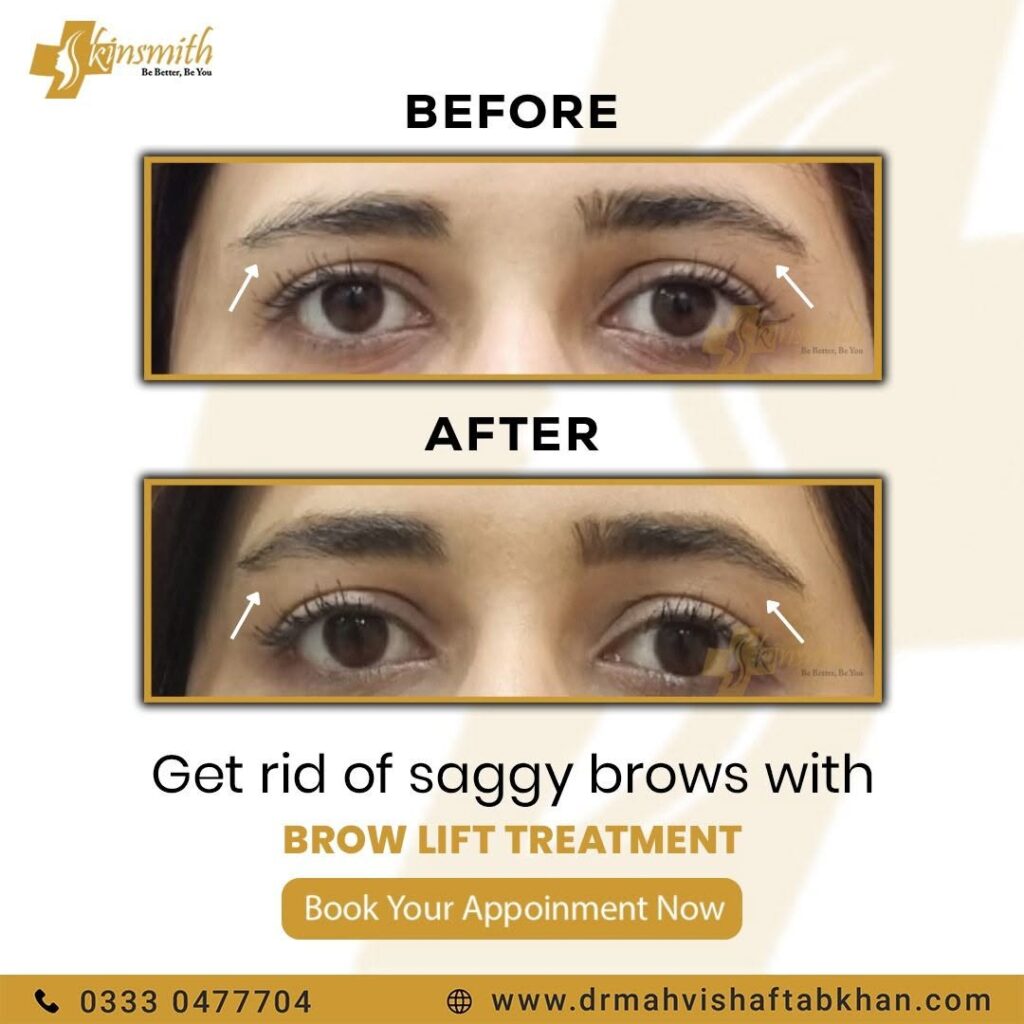
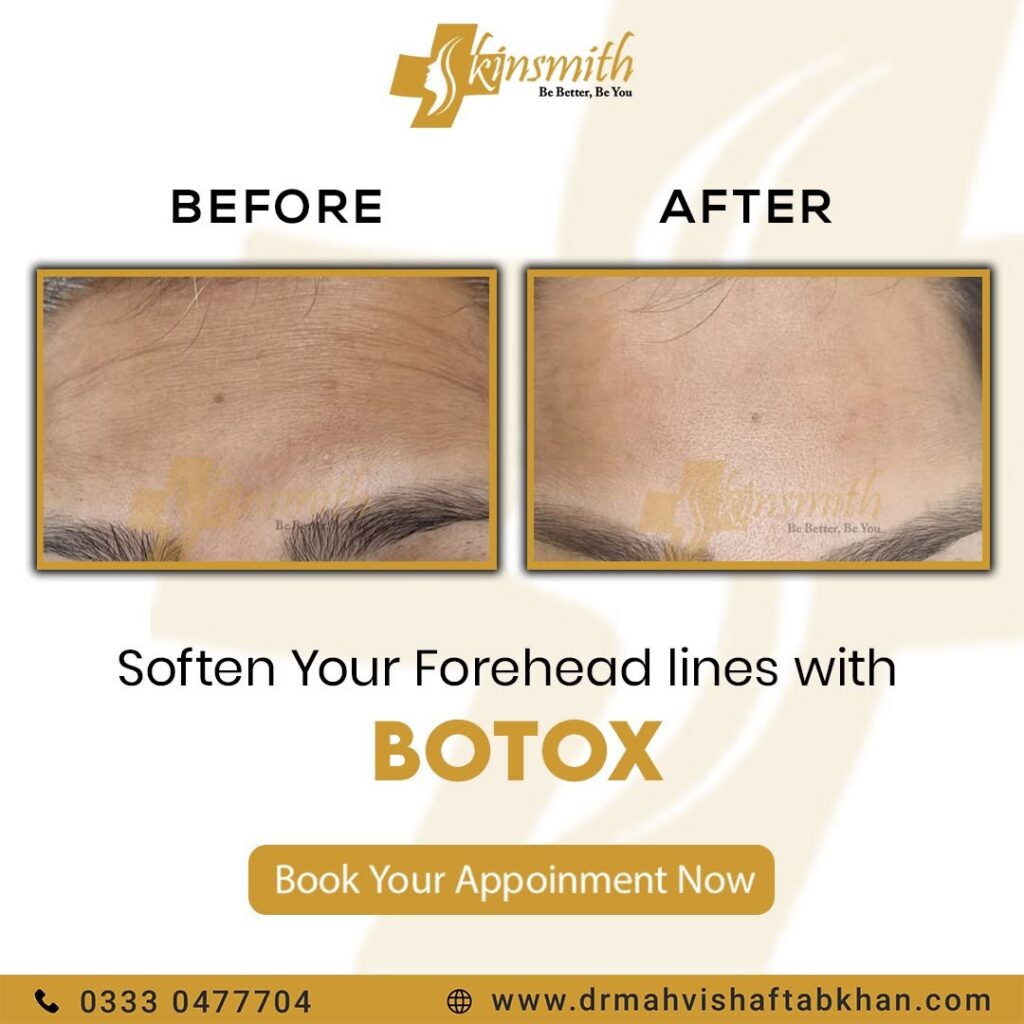
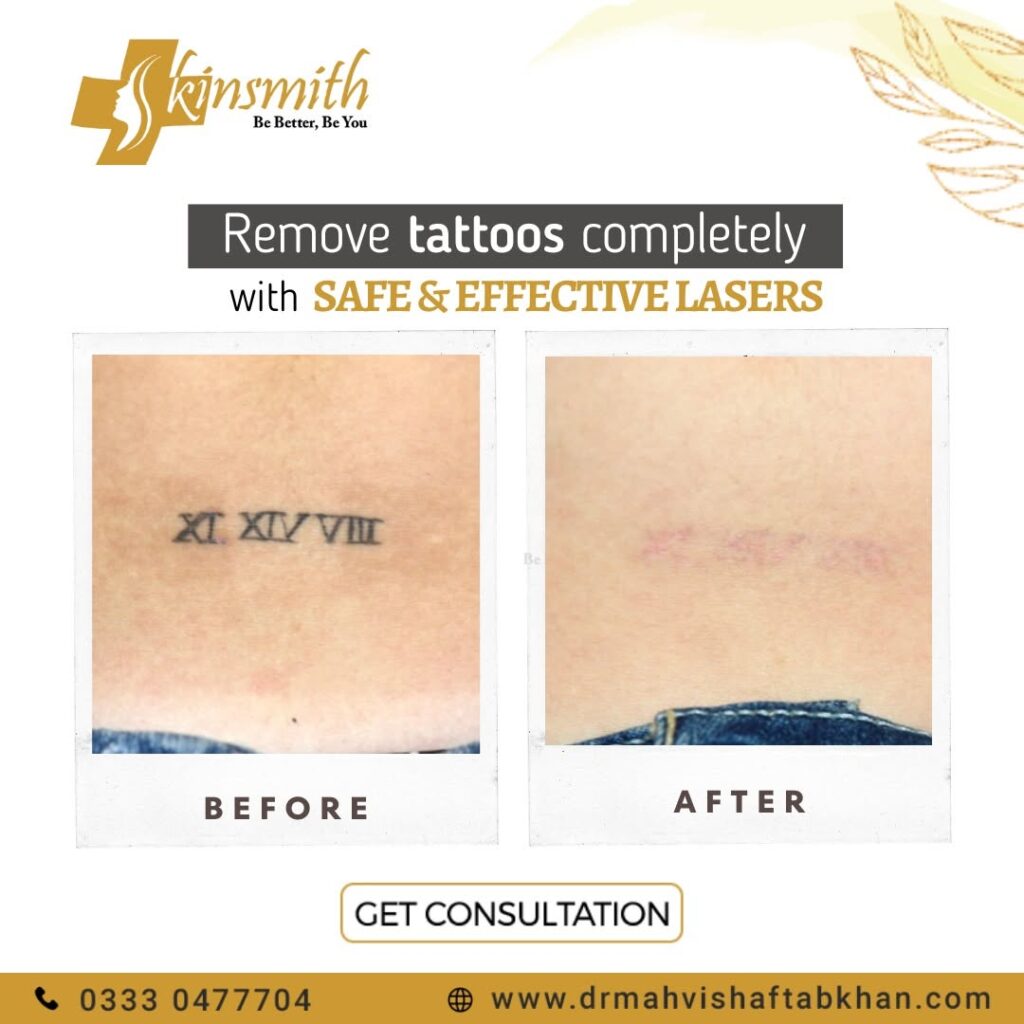
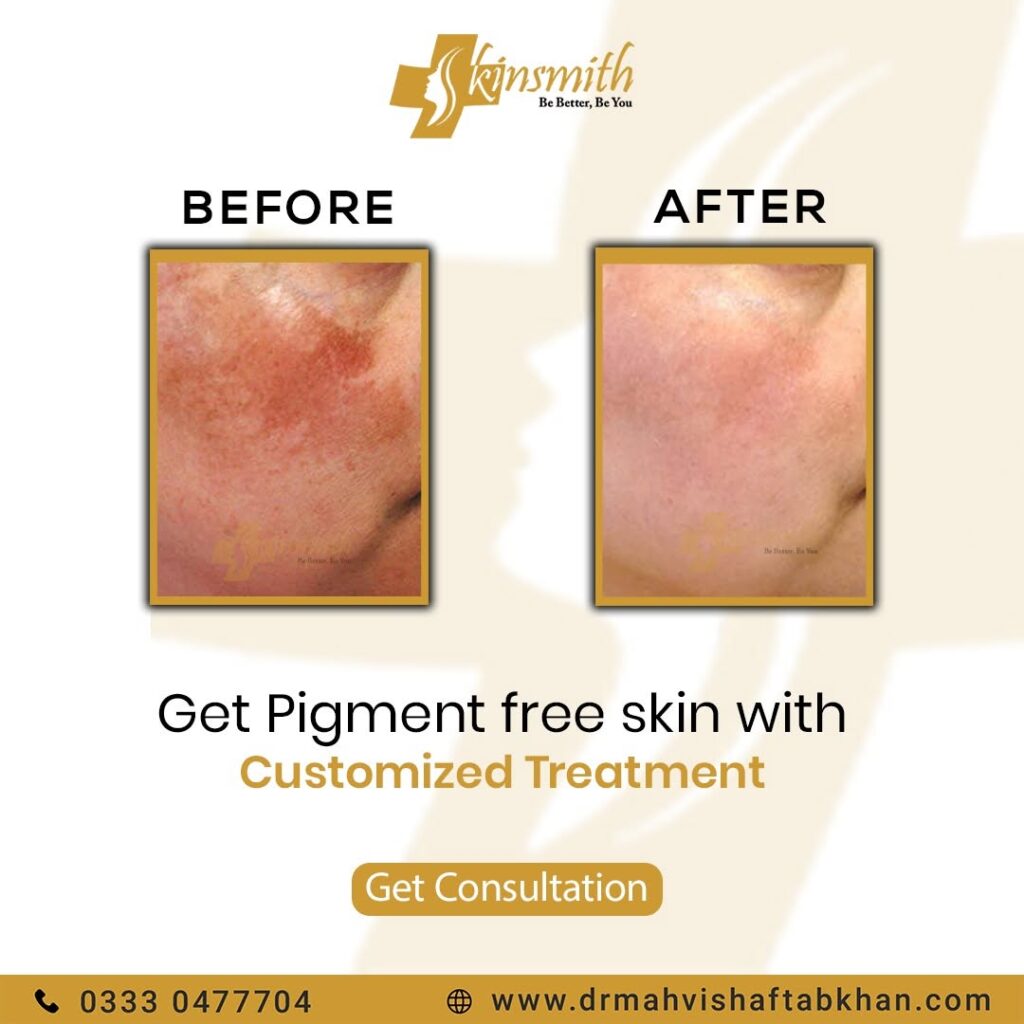
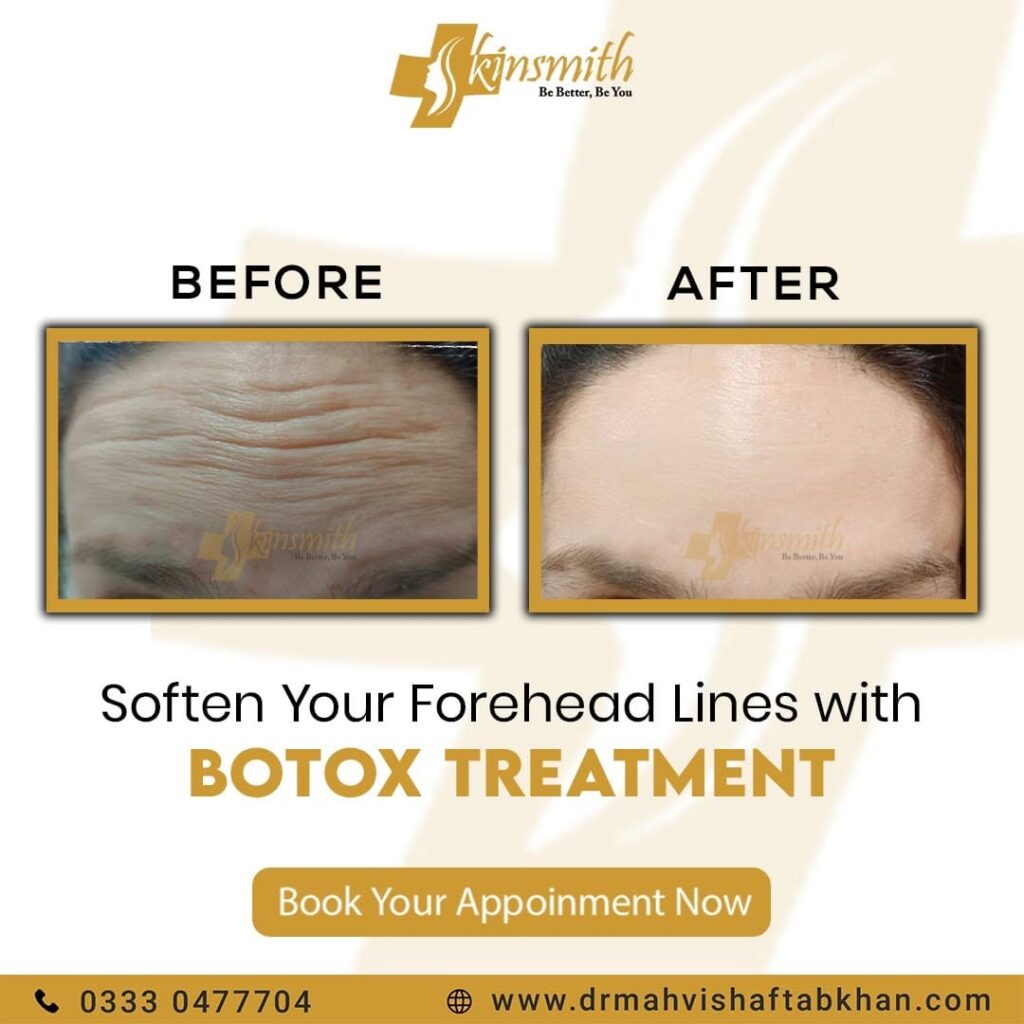
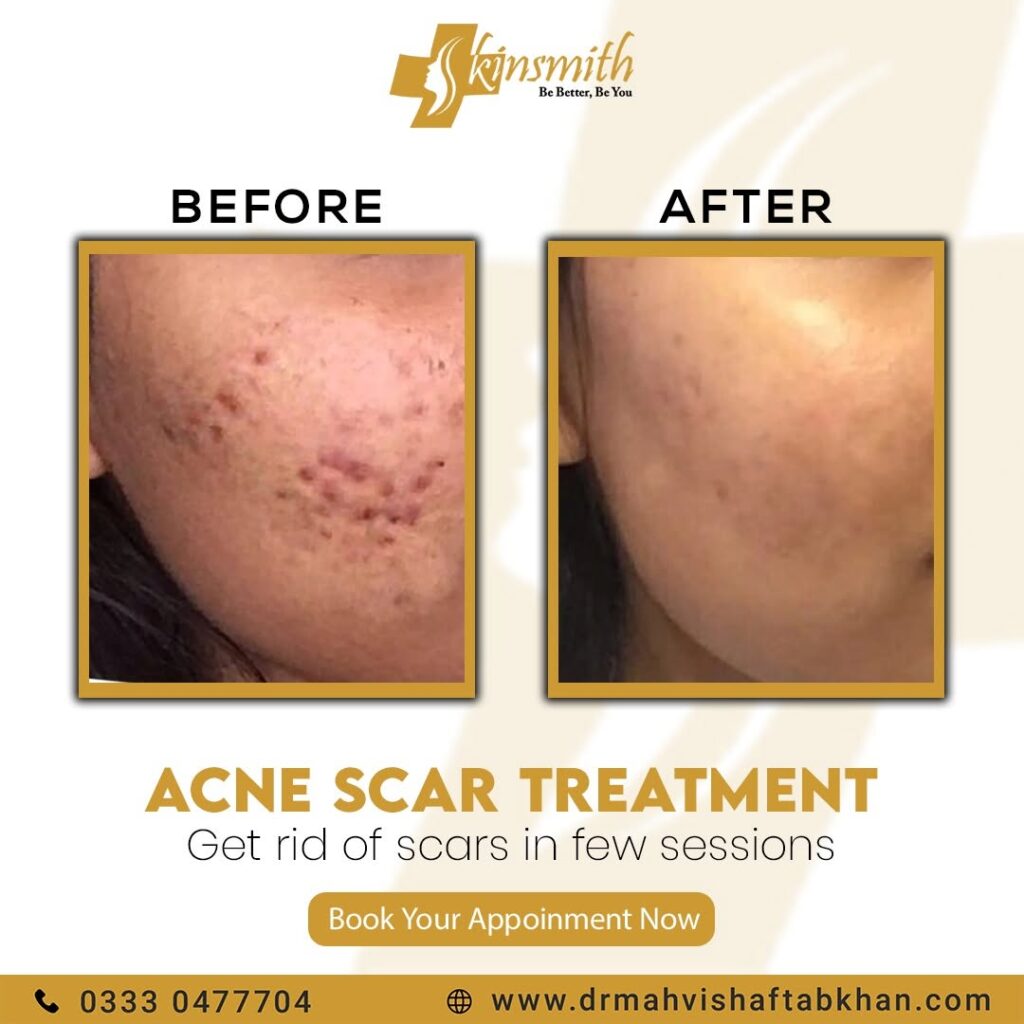
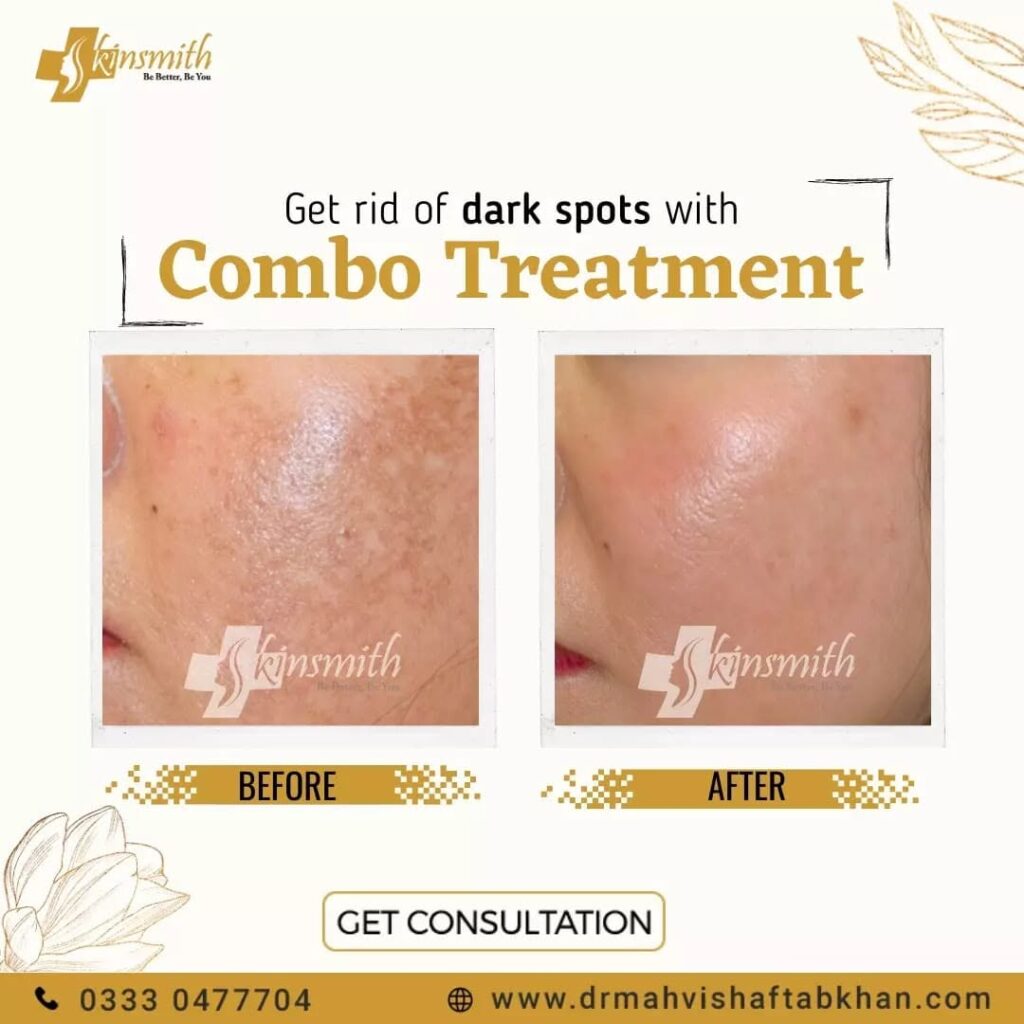
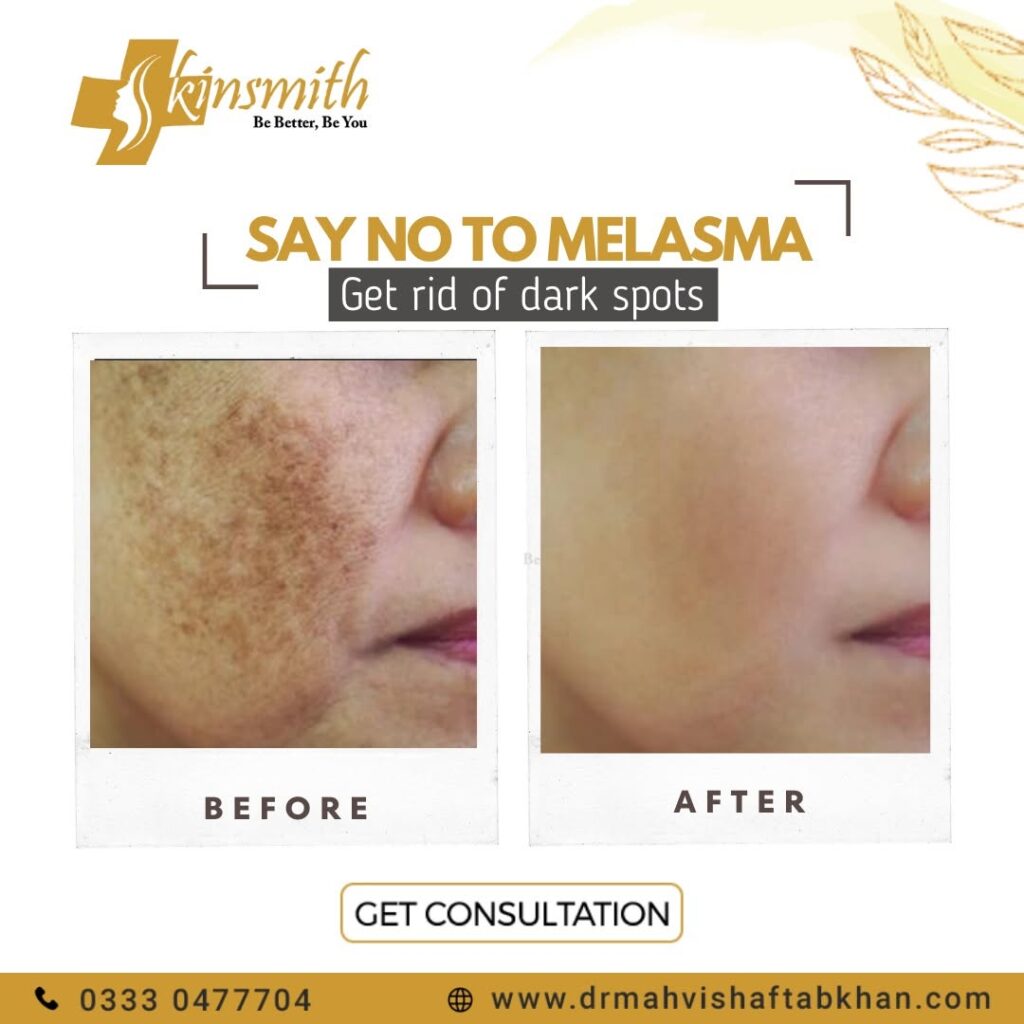
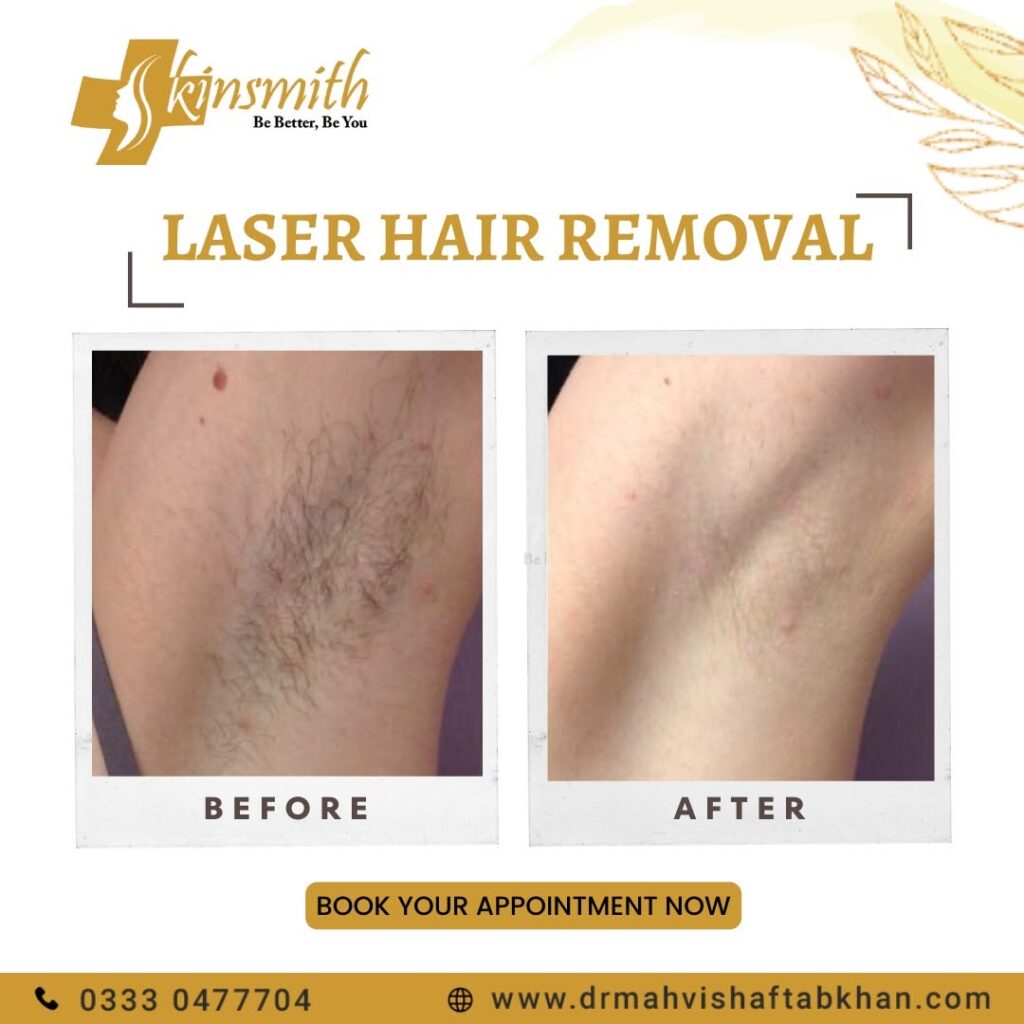
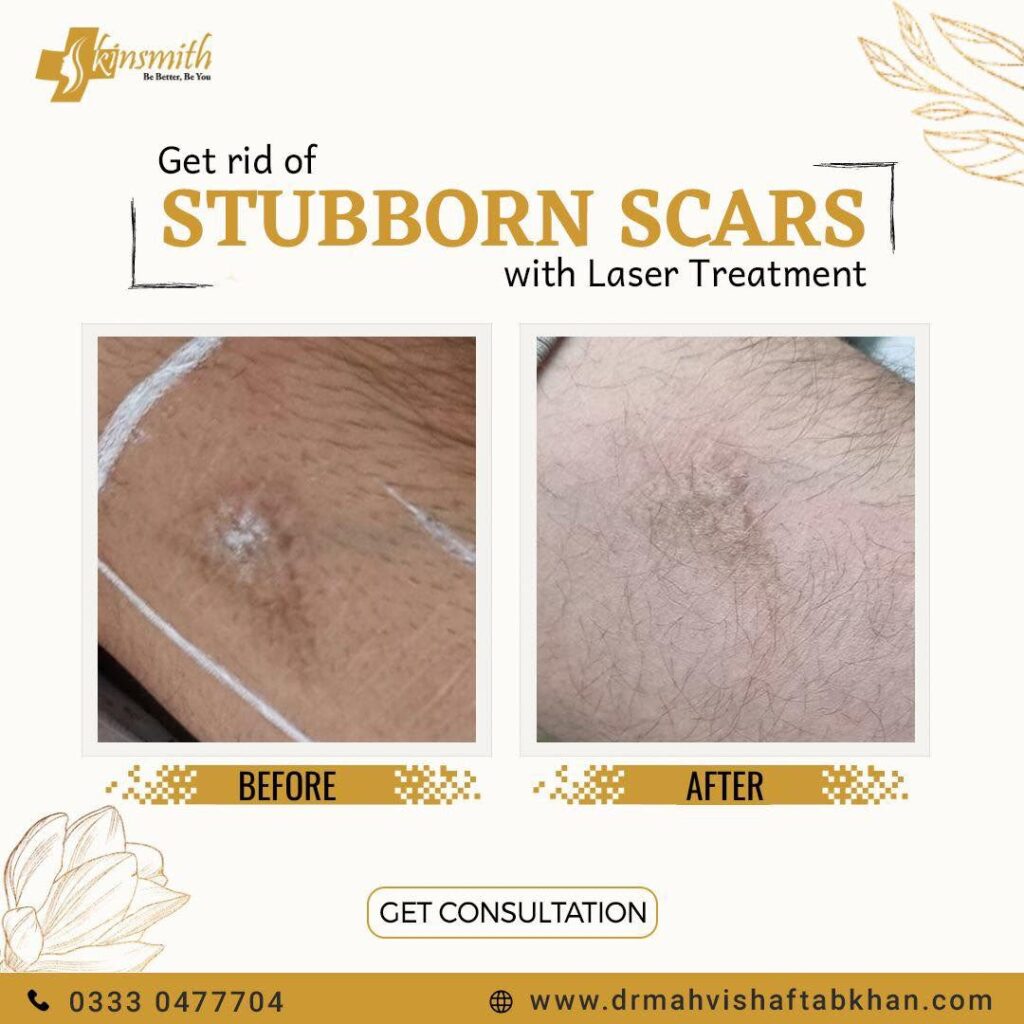
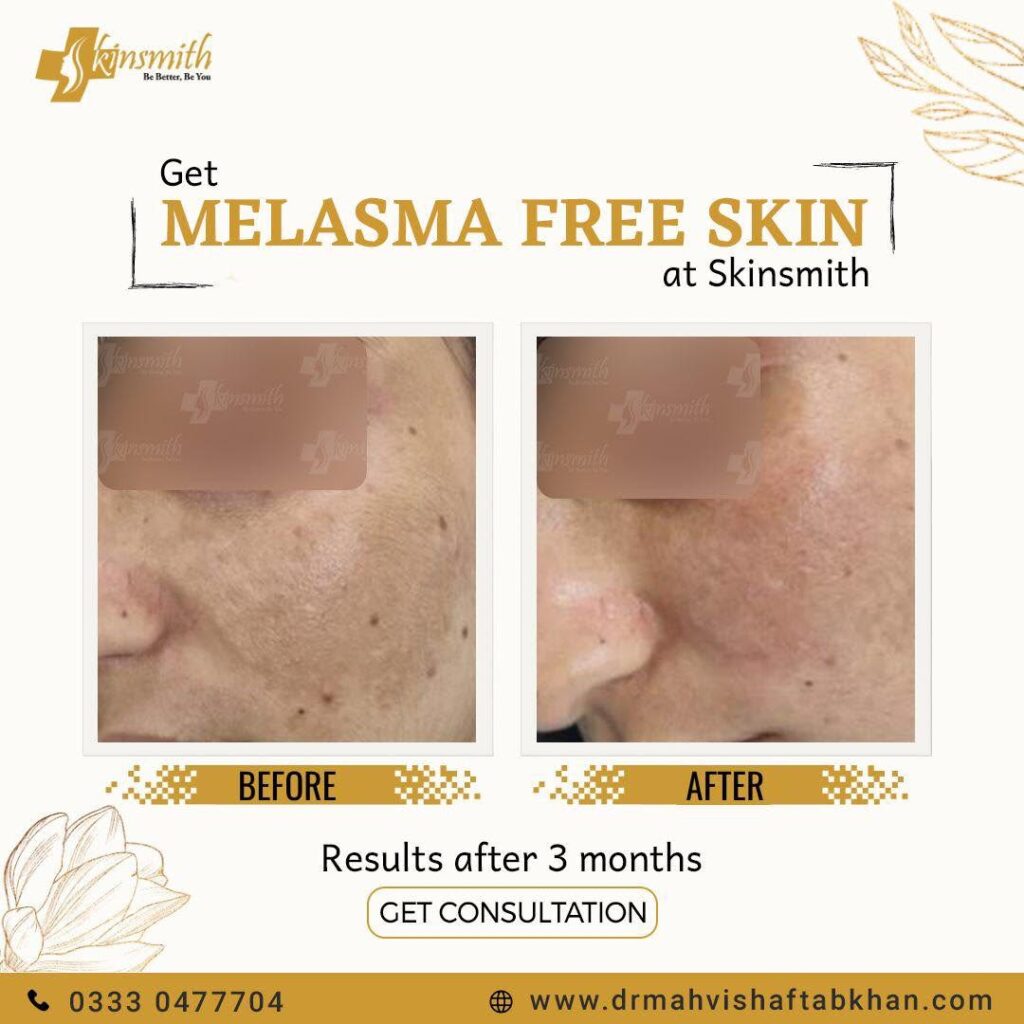
A chemical peel is a very common procedure in acne scar treatment. A chemical peel improves the appearance of acne scars after removing the outer layer of the skin. The most frequently used peeling solutions in acne scar treatment are glycolic acid, salicylic acid, lactic acid, mandelic acid, and phenol. The peeling agent is chosen according to the skin condition of the patient. A chemical peel is helpful in acne marks treatment as it helps in lightening the acne marks.
Chemical peels use selected chemical solutions to exfoliate the skin at controlled depths. They may improve certain superficial textural irregularities, post-acne discoloration, and uneven skin tone.
A chemical peel for acne scars may be considered when the concerns are relatively superficial or when pigmentation accompanies scarring.
Different peel strengths are available, and stronger peels require more careful assessment because of the potential for irritation, burns, prolonged healing, and post-inflammatory hyperpigmentation.
Chemical peel acne scars treatment generally has limited ability to correct deep ice pick scars, pronounced boxcar scars, or tethered rolling scars. Other procedures may be more appropriate for these concerns.
For patients considering an acne scar chemical peel in Islamabad, the choice of peel should be guided by skin type, pigmentation risk, and the condition being treated.
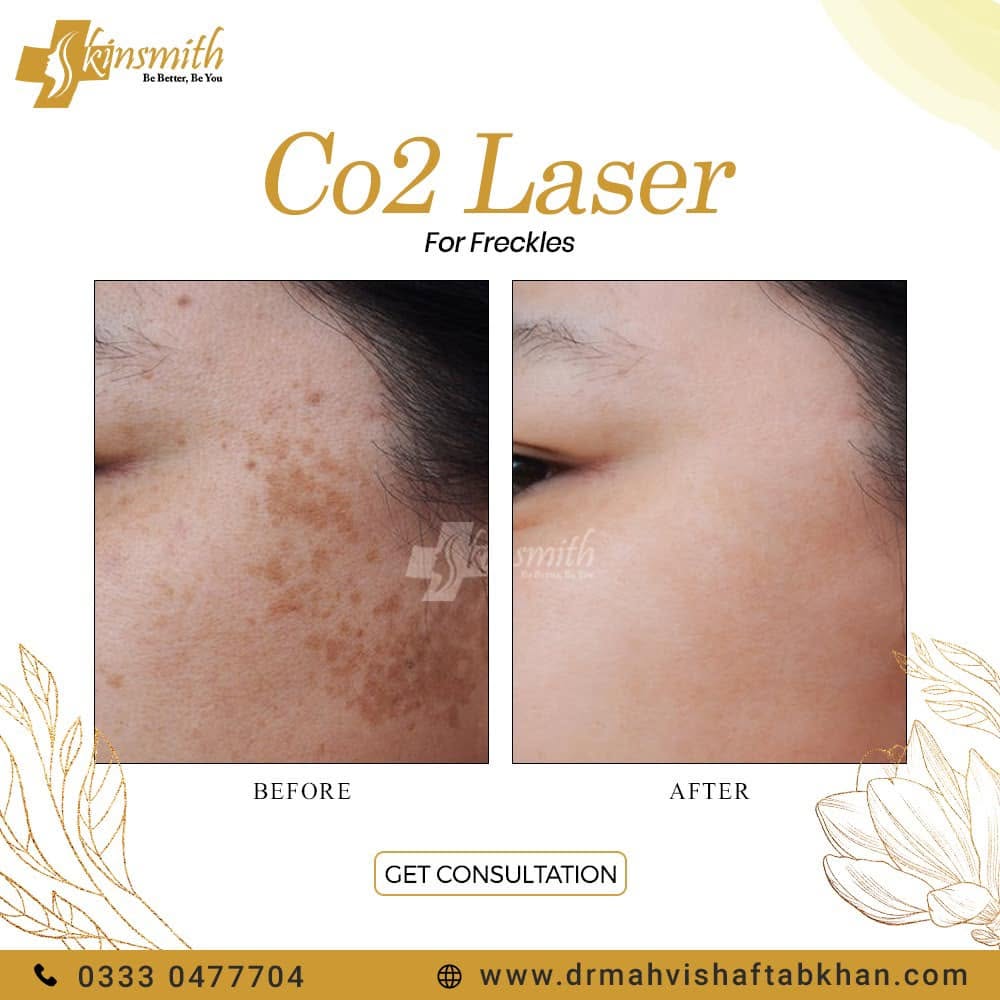
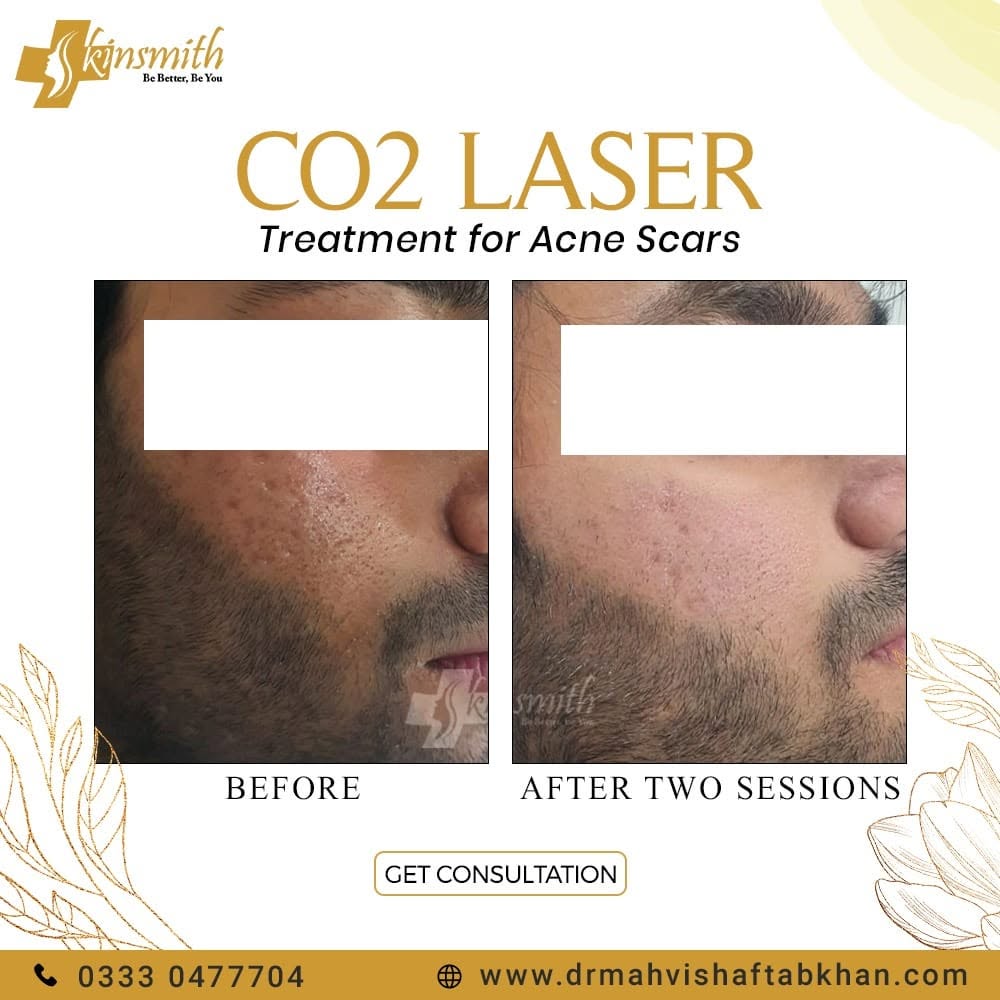
Carbon dioxide laser resurfacing is very advanced laser treatment for acne scars. It treats multiple skin issues, and acne is one of them. The treatment helps in removing the dead layers of skin without damaging it. Time leaves the skin rejuvenated. The downtime is minimal. Co2 laser is an effective acne scar treatment.
Fractional laser for acne scars is used to improve selected types of depressed scars and uneven skin texture. The treatment may be ablative or non-ablative, depending on the device and treatment plan.
Fractional CO2 laser acne scars treatment is an ablative option that removes microscopic columns of tissue and stimulates a healing response. It may improve certain atrophic acne scars, but it generally involves more downtime and carries risks such as prolonged redness, pigmentation changes, and infection.
CO2 laser acne scar treatment is not suitable for every scar type or skin tone. In skin tones commonly found in Pakistan, careful device selection and treatment settings are particularly important because some laser procedures can trigger post-inflammatory hyperpigmentation.
The best laser for acne scars depends on scar morphology, skin type, previous treatments, and the balance between expected improvement and potential downtime.
If you are searching for acne scar laser treatment in Islamabad, a consultation can help establish whether fractional laser treatment is suitable for your skin.
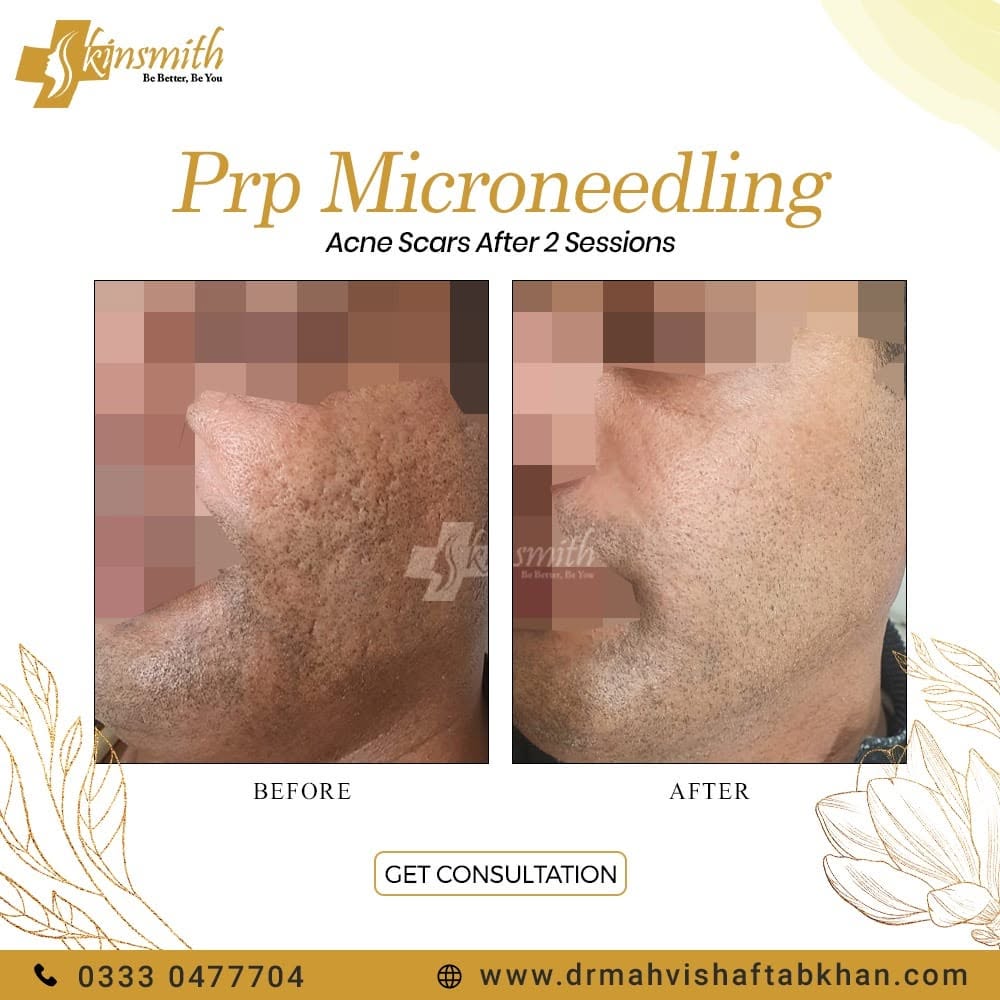
Micro-needling is the most common acne scar treatment procedure in which microneedles prick the skin. The purpose of this is to generate more collagen that helps in the reduction of scars. The treatment makes the skin smooth and firm. It is minimally invasive. The downtime is minimal. You will only feel mild redness after the procedure. You will see the Best results after multiple sessions. The results depend on the severity of the scarring.
Microneedling for acne scars involves using fine needles to create controlled micro-injuries in the skin. This stimulates the skin’s natural repair response and may encourage collagen remodeling over time.
Microneedling acne scars treatment is commonly considered for selected atrophic scars and uneven skin texture. Improvement usually develops gradually over multiple sessions.
Potential benefits include:
Microneedling for acne scar treatment is not equally effective for all scar types. Deep ice pick scars and strongly tethered rolling scars may need targeted or combination procedures.
Microneedling should be performed using appropriate sterile equipment and professional protocols. Home microneedling devices are not a substitute for clinical treatment and may cause infection, additional scarring, or pigmentation problems when used improperly.
If you are considering microneedling for acne scars in Islamabad, your provider can discuss the expected number of sessions, recovery, and suitability for your skin.
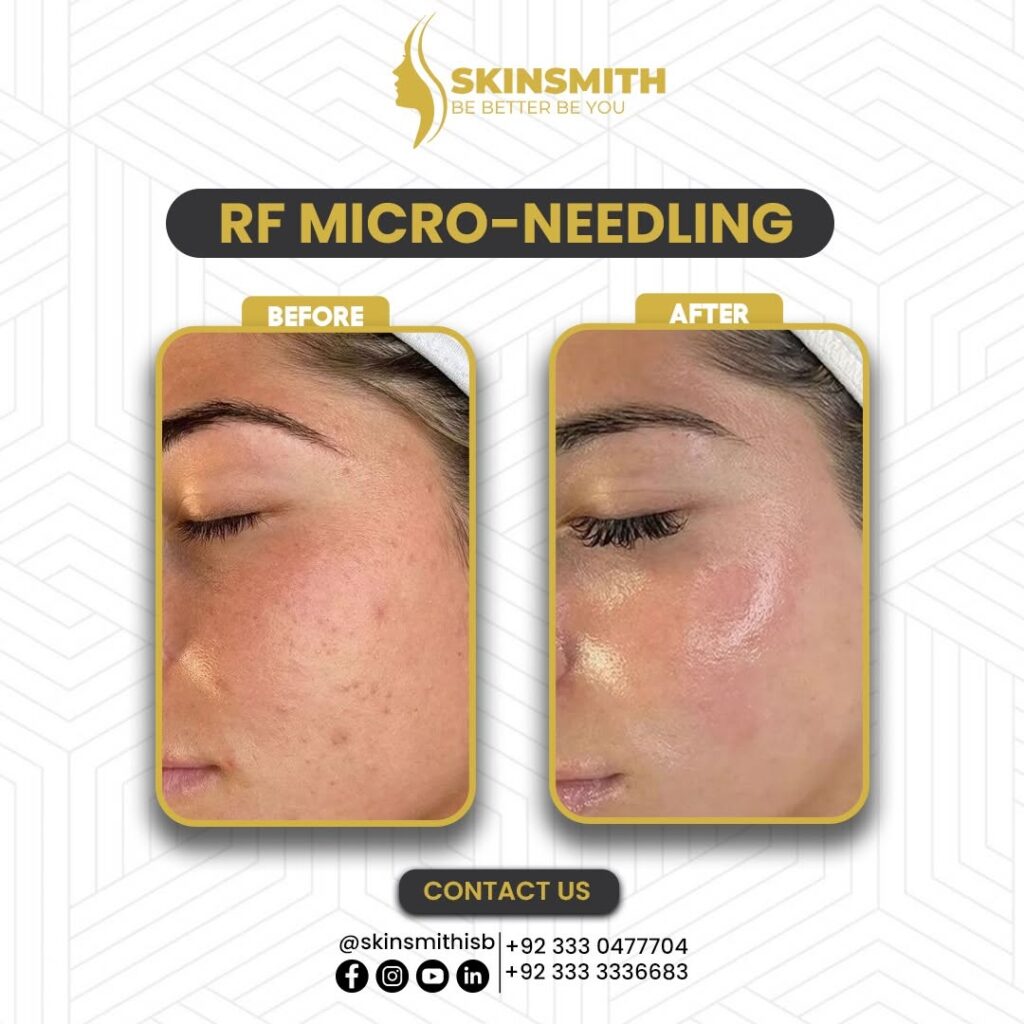
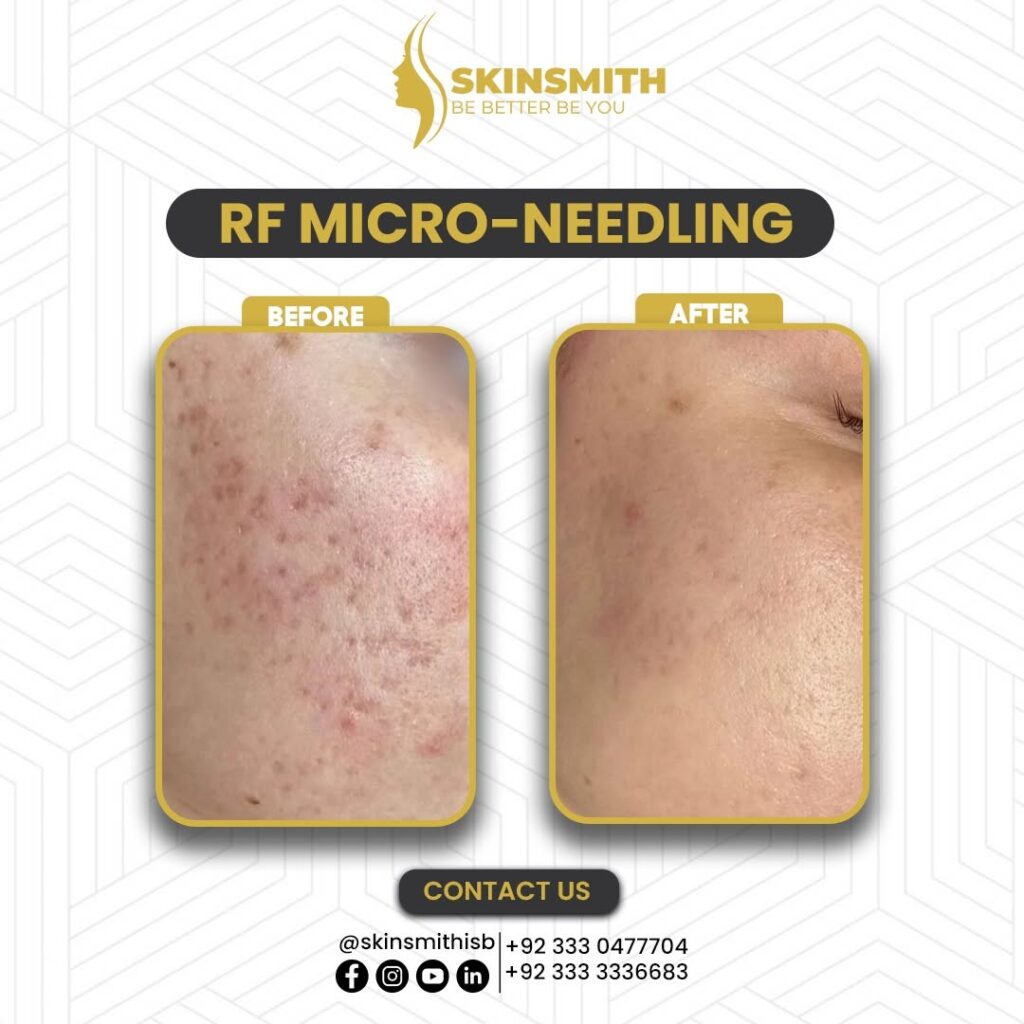
Radiofrequency microneedling combines fine needles with radiofrequency energy delivered into the skin. The treatment aims to stimulate collagen remodeling at controlled depths.
RF microneedling for acne scars may be considered for selected atrophic scars, uneven texture, and certain forms of skin laxity.
Radiofrequency microneedling acne scars treatment differs from conventional microneedling because it delivers thermal energy into targeted tissue. Treatment settings and needle depth must be selected carefully according to the patient’s skin and scar characteristics.
Potential considerations include:
RF microneedling for acne scars may be used alone or as part of a broader treatment plan. Results vary, and multiple sessions may be required.
If you are researching RF microneedling in Islamabad, ask your provider about the device being used, their experience treating acne scars, and the potential benefits and risks for your skin.
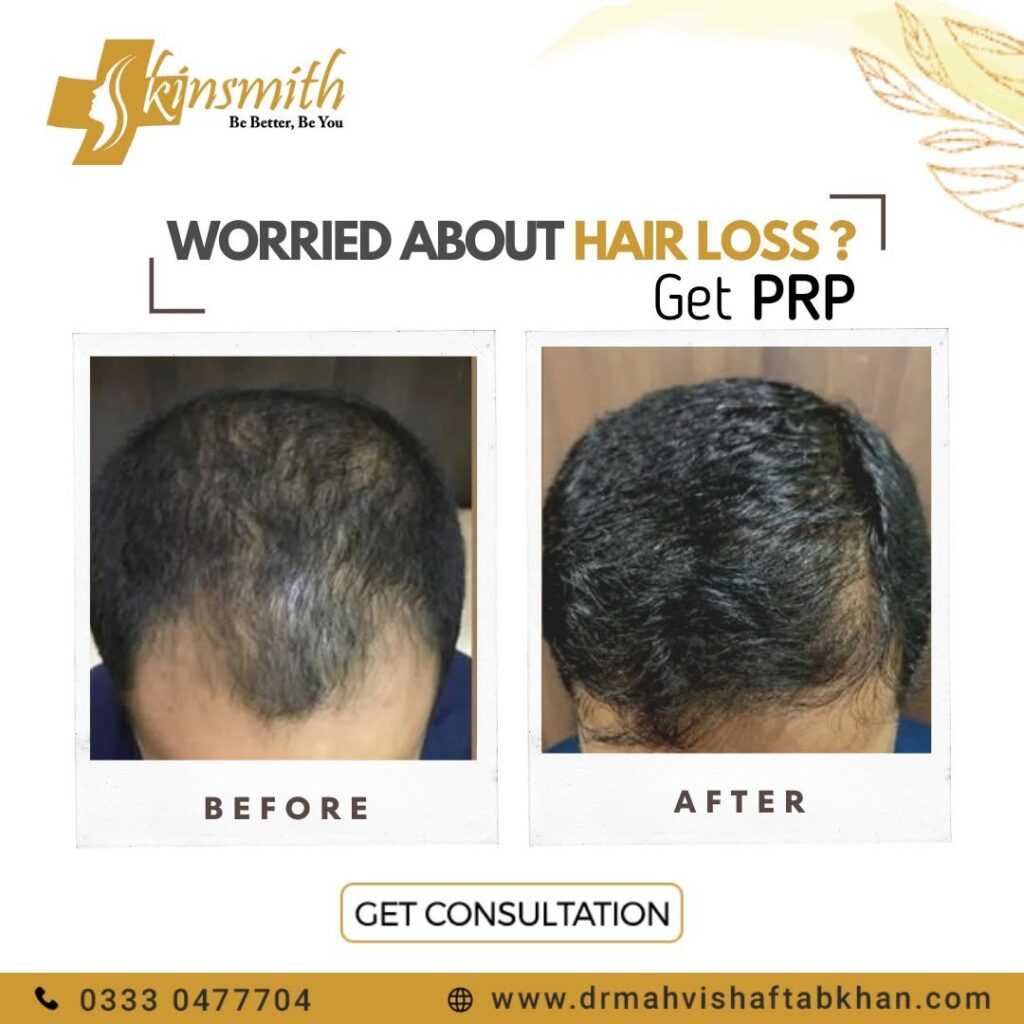
PRP (Platelet Rich Plasma) is a procedure for hair loss. In this treatment, a person’s own blood is drawn, and after processing it is injected. The PRP helps in triggering natural hair growth, the increase in blood flow will thicken the hair. The treatment requires multiple sessions, along with a few maintenance sessions.
Platelet-rich plasma (PRP) is prepared from a sample of your own blood and contains a concentrated amount of platelets. PRP may be used alongside selected skin procedures as an adjunctive treatment.
PRP for acne scars is sometimes combined with microneedling or other procedures to support healing and potentially improve treatment outcomes. However, evidence for its additional benefit varies, and it should not be presented as a guaranteed scar removal solution.
PRP acne scar treatment may be considered as part of an individualized plan after discussing the available evidence, limitations, and costs.
PRP alone is unlikely to adequately correct all deep or tethered acne scars. The primary treatment should be selected according to the scar type.
Some acne scars require procedures beyond lasers, microneedling, and peels.
Depending on the assessment, options may include:
Combining treatments may improve results for mixed scar patterns, but the procedures, timing, and recovery requirements must be planned carefully.
Skin tones across Pakistan vary widely, and the safest approach to acne scar treatment should be selected according to individual skin characteristics rather than geography alone.
Some patients with medium to darker skin tones have a higher risk of post-inflammatory hyperpigmentation following skin injury or aggressive procedures.
This does not mean that laser treatment or microneedling cannot be used. It means that careful assessment, appropriate device selection, conservative settings when indicated, and proper aftercare are important.
Your treatment provider may also recommend controlling active acne and addressing existing pigmentation before starting procedures aimed at improving scar texture.
Avoid unverified home remedies, harsh exfoliation, and unregulated skin-lightening products, as these can irritate the skin and worsen discoloration.
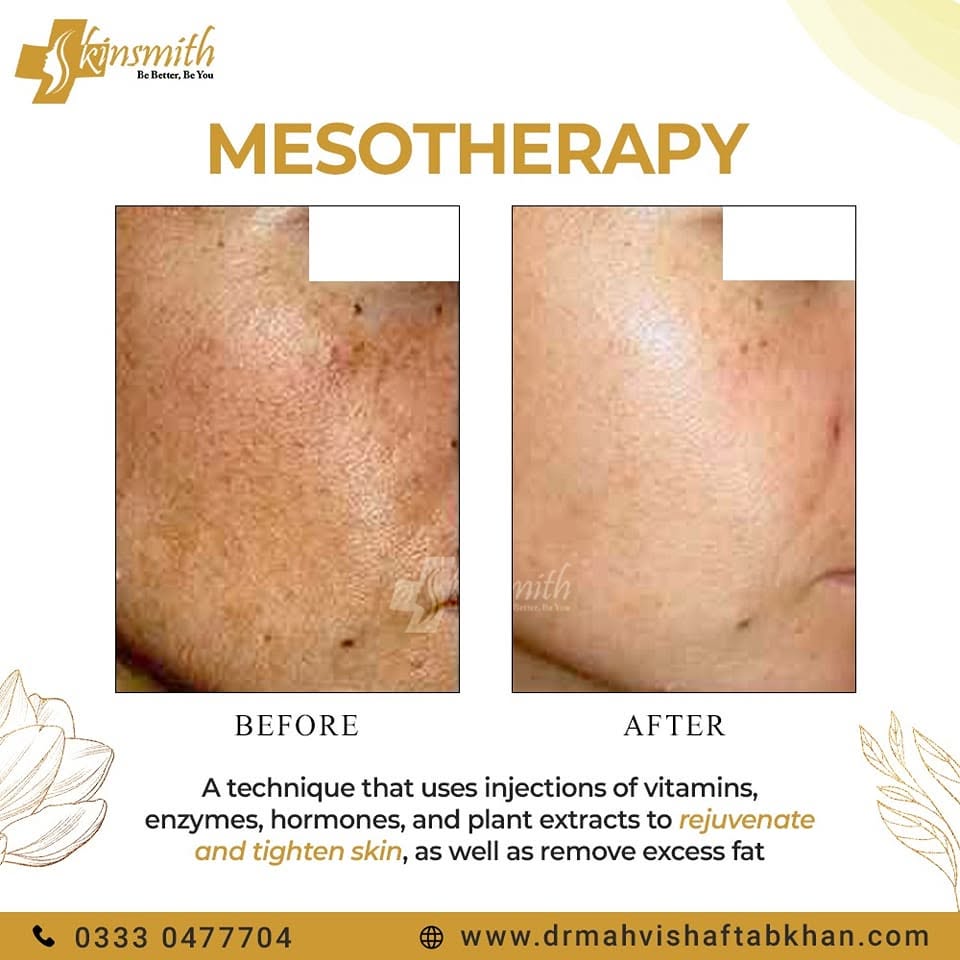
Mesotherapy ( Bio rejuvenation ) rejuvenates the skin. The treatment helps with acne scarring, fine lines, and wrinkles. Mesotherapy helps in blood regulations which help in flushing out the toxins.
We, at Skin Smith provide the best acne marks treatment and acne scar treatment in Islamabad. Trust us with your Skin and Hair. We believe in making family, not clients. We will not disappoint you.
If you want to know how to get rid of acne scars, the first step is identifying whether you have true textural scars, post-acne pigmentation, active acne, or a combination of these concerns.
Different problems require different treatments.
Treating active acne is also important because new breakouts can lead to further scarring.
The most effective approach is usually a personalized plan based on your scar type, skin tone, medical history, and tolerance for downtime.
Many acne scars can be improved significantly, but complete and permanent removal cannot be guaranteed.
Procedures can help soften depressions, improve texture, and reduce the visibility of scars. However, the degree of improvement varies according to scar depth, type, skin response, and treatment selection.
Some scars may require multiple sessions or a combination of procedures. Aging, further acne breakouts, and individual healing characteristics can also affect long-term appearance.
A realistic treatment goal is meaningful improvement rather than a promise that every scar will disappear completely.
Choosing an appropriate provider is important when treating acne scars because different scar types require different techniques.
At SkinSmith by Dr. Mahvish Aftab Khan, the focus is on helping patients understand their skin concerns and explore appropriate treatment options.
A patient-focused approach should include:
When selecting an acne scar specialist, confirm the practitioner’s relevant qualifications and experience with the specific procedures being considered.
Book Your Acne Scar Treatment Consultation in Islamabad
The best way to get rid of acne scars depends on their type and severity. Microneedling, fractional laser treatment, RF microneedling, subcision, chemical peels, and targeted procedures may help improve selected scars. Dark post-acne marks may respond to topical treatments and sun protection, while deep scars often require professional procedures. A skin assessment helps determine the most appropriate approach.
Acne scars are lasting changes in skin texture or structure that develop when acne-related inflammation damages the skin's supporting tissue. They may appear as depressed scars, such as ice pick, boxcar, and rolling scars, or as raised hypertrophic scars and keloids. Flat red or brown marks after acne are often pigmentation or redness rather than true textural scars.
Acne scars develop when inflammation from acne interferes with normal skin healing and collagen production. Deep or persistent inflammatory acne, picking or squeezing pimples, and individual healing characteristics can increase the likelihood of scarring. Early acne management may help reduce the risk of developing additional scars.
Acne scars can often be improved, sometimes substantially, but complete and permanent removal cannot be guaranteed. Results depend on scar type, depth, skin tone, and treatment response. Some patients need several sessions or a combination of procedures, and residual scarring may remain even after successful treatment.
The best acne scar treatment in Islamabad depends on your scar type, skin tone, and medical history. Microneedling and fractional laser treatments may help selected depressed scars, subcision may be useful for tethered rolling scars, and targeted techniques may be more appropriate for deep ice pick scars. Raised scars require a different treatment approach. A qualified provider can recommend a personalized plan after assessing your skin.